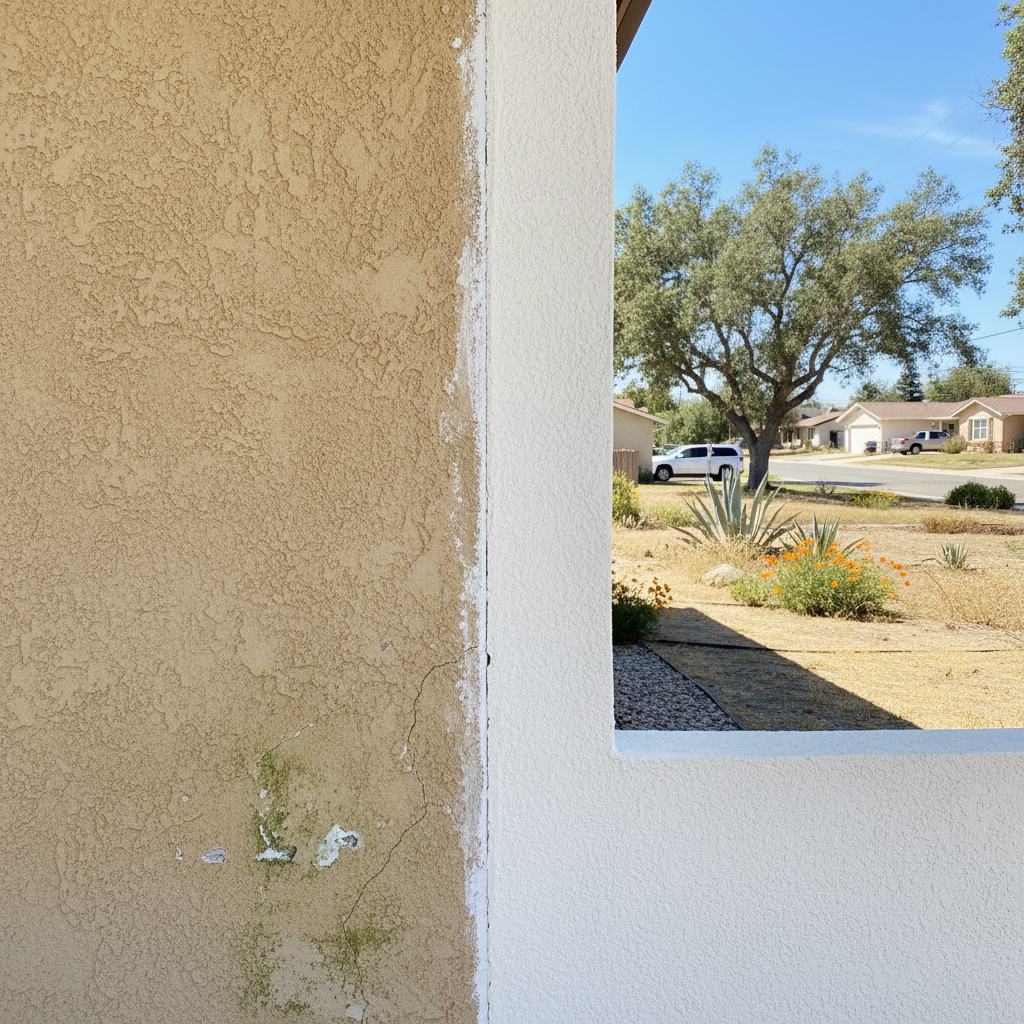
Alright, let's talk stucco for a bit. If you're building a new place or maybe thinking about re-siding your home right here in Stockton, you'll probably run into two main types: traditional hard-coat stucco and synthetic stucco, which folks often call EIFS. People ask me all the time which one's better, and honestly? It's not a simple "this one wins" kind of answer. It really just depends on what you're looking for, your budget, and, well, what your house actually needs.
Traditional Stucco: The Old Reliable
When most people picture stucco, they're usually thinking traditional. This is the stuff that's been around for centuries, literally. It's a mix of cement, sand, lime, and water, and we apply it in layers over a wire lath. It dries hard as a rock, which is where that "hard-coat" name comes from. It's tough, fire-resistant, and can really stand up to the elements.
Cost: Generally, traditional stucco is a bit more affordable upfront than synthetic. The materials themselves are cheaper, and even though it's labor-intensive, most experienced crews know this process inside and out.
Durability: This is where traditional stucco really shines. It's incredibly durable, forming a rigid, protective shell once it cures. Sure, it can crack, especially if your house settles or the foundation shifts – that's just a fact of life, particularly in areas with expansive clay soils like we have around parts of Stockton, like the Spanos Park area. But those cracks are usually just on the surface and we can repair them.
Maintenance: It's pretty low maintenance, actually. You'll want to keep it clean, maybe give it a gentle power wash every few years. If you do get cracks, you'll need to fill and seal them to stop water from getting in, which is super important for any exterior material. But all in all, it holds up for decades.
Appearance: It's got that classic, natural look. You can get different textures, everything from smooth to rough, and you can paint it any color you like. It just has that solid, substantial feel to it.
Synthetic Stucco (EIFS): The Modern Contender
Now, synthetic stucco, or Exterior Insulation and Finish Systems (EIFS), is a whole different animal. It's a multi-layered system that includes an insulation board (like foam), a base coat with a fiberglass mesh, and then a finish coat that looks a lot like traditional stucco. It's newer technology, and it definitely has some real advantages.
Cost: Typically, EIFS will cost you more upfront. The materials are more specialized, and the installation process requires a bit more precision and specific training. However, you might save on energy bills later on because of the insulation.
Durability: EIFS is incredibly flexible. That foam board and mesh system means it's much less likely to crack than traditional stucco. It can absorb minor building movements without showing stress. It is softer though. If you hit it hard enough, you can dent or puncture it, and that needs professional repair to prevent water damage.
Maintenance: Similar to traditional, it needs cleaning. But because it's more flexible, it's less likely to develop those hairline cracks that need sealing. The big thing with EIFS is making sure it's installed correctly with proper drainage. Bad EIFS installations from back in the 80s and 90s gave it a bad rap for water intrusion – remember that? – but modern systems have improved dramatically with drainage planes and weep systems.
Appearance: You can get a huge range of colors and textures with EIFS, even more than traditional. You can even mold it into architectural details, giving a really clean, modern finish. It often looks a bit more uniform and "perfect" than traditional stucco.
My Take: What's Right for Your Stockton Home?
So, which one should you go with? If you're looking for that classic, rock-solid, time-tested exterior and want to keep initial costs down, traditional hard-coat stucco is a fantastic choice. It's what we've been doing for generations, and it looks great on so many homes around here, from the older builds in the Miracle Mile area to newer custom homes.
But if energy efficiency is a top priority, and you're willing to invest a bit more upfront for a system that's more resistant to cracking and offers superior insulation, then EIFS is definitely worth considering. It's a great option for keeping your home cooler in those scorching Stockton summers, and warmer in the sometimes surprisingly chilly winters, too.
Here's my clear recommendation: for most homeowners in Stockton, especially given our climate and the typical construction, I lean towards traditional hard-coat stucco with a good drainage system and proper flashing. Why? It's proven, it's robust, and it's generally more forgiving if you get a minor ding or need a repair down the road. Plus, the aesthetic just feels right for our area, doesn't it?
No matter which you choose, the most important thing is the installation. A poorly installed system, whether traditional or synthetic, is going to give you headaches. You need experienced pros who know what they're doing, understand local building codes, and aren't cutting corners. That's what we pride ourselves on at Stockton Stucco Solutions – getting it done right the first time so you don't have to worry about it for decades.
Think about what matters most to you: initial cost, long-term energy savings, crack resistance, or that classic look. Both are good options when installed correctly, but knowing the differences will help you make the best decision for your home.