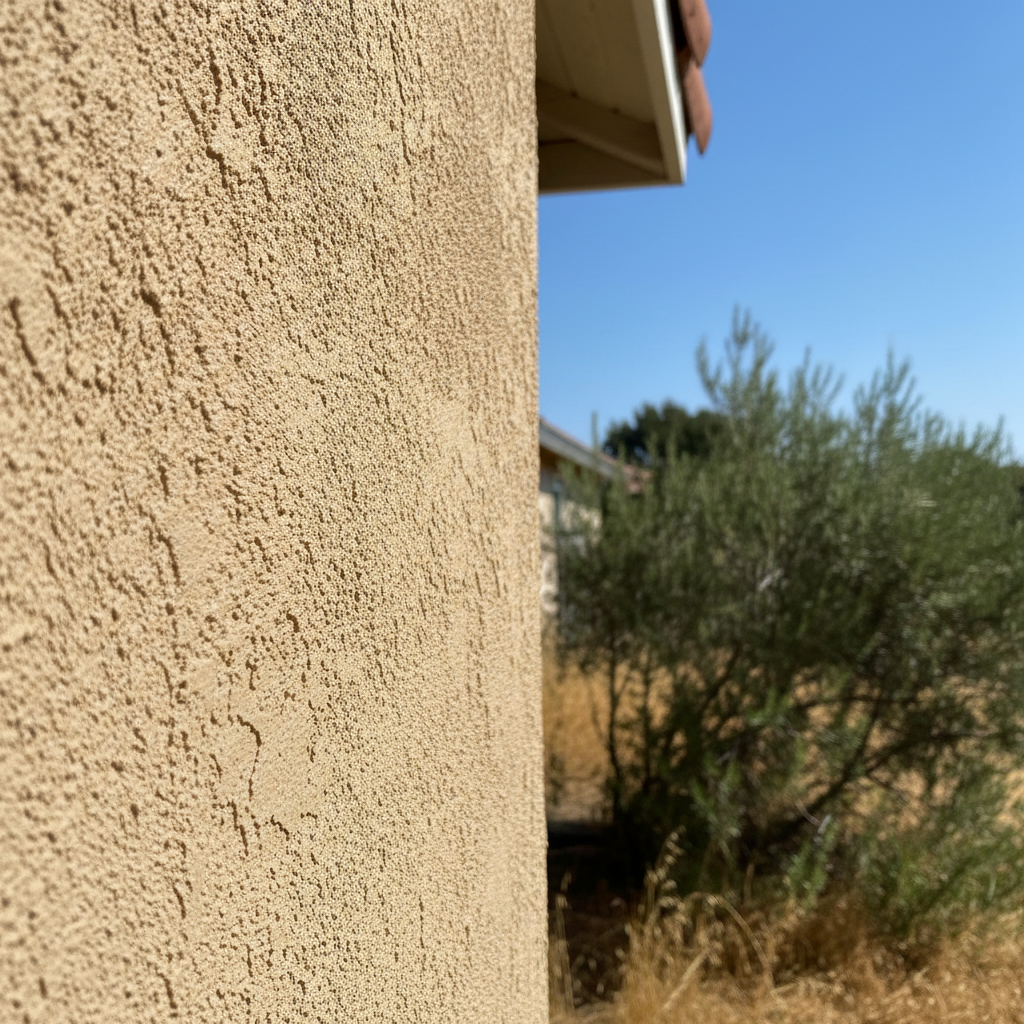
Alright, let's talk stucco repair. You've got a home here in Stockton, and chances are, it's got stucco on it. It's a great, durable finish, but over time, stuff happens. Maybe a kid hit a ball a little too hard, or those seasonal temperature swings we get, from hot summers to chilly delta breezes, have caused some hairline cracks. Whatever it is, you're looking at it and wondering, "Can I fix this myself, or do I need to call someone?"
What You Can Probably Fix Yourself (The Small Stuff)
You know, for the little dings and minor cracks, you can absolutely do some of this work yourself. I've seen plenty of homeowners do a decent job on small repairs, especially if they take their time and use the right materials. Here's what I'd say is generally DIY-friendly:
- Hairline Cracks: These are the super thin ones, barely wider than a credit card. They're usually just in the finish coat. You can get a good quality elastomeric stucco patch specifically designed for these. Clean out any loose bits, apply the patch, and smooth it out.
- Small Chips or Dings: If a small piece of the finish coat has popped off – maybe a quarter-sized chunk – you can often patch this. You'll need a small amount of patching compound. The trick here is getting the texture to match.
- Minor Surface Discoloration: Sometimes it's not a repair, just a spot that looks off. If it's not water damage, a good cleaning or a small touch-up paint job (if your stucco is painted) can do wonders.
Before you even think about patching, you've got to clean the area. Get rid of any loose debris, dust, or dirt. A stiff brush and some water usually do the trick, then let it dry completely. When you're applying the patch, don't just glob it on. Work it in, really press it into the crack or void. For chips, you might need a couple of thin layers to build it up. And for texture, a damp sponge or a small brush can help you blend it in with the surrounding stucco. It won't be perfect, but for small stuff, it'll look a whole lot better.
When It's Time to Call Stockton Stucco Solutions (The Bigger Stuff)
Now, there's a line, and you need to know when you're crossing it. Trying to DIY a big stucco repair can actually make things worse, cost you more in the long run, and even compromise your home's exterior. Here's when you should definitely pick up the phone and call a pro like us:
- Cracks Wider Than 1/8 Inch: These aren't just cosmetic. Wider cracks can signal movement in the structure, or they might be deep enough to let water get behind the stucco. That's a recipe for dry rot, mold, and bigger problems down the line.
- Bulging or Soft Spots: If you press on your stucco and it feels soft, or you see areas that are bulging out, that's a huge red flag. It almost always means water has gotten behind the stucco and is damaging the lath or the sheathing underneath. This isn't a patch job; it's a water intrusion problem that needs professional attention.
- Large Areas of Damage: If a whole section of stucco has fallen off, or you've got extensive cracking across a wall, that's beyond a simple homeowner fix. Matching texture and color over a large area is an art, and you need the right tools and experience.
- Cracks Around Windows or Doors: These are critical areas. If the flashing around your openings isn't done right, or if cracks here are letting water in, you'll have ongoing issues. We see this a lot in older homes, especially those built on expansive clay soils that can cause foundation movement over decades.
- Repeated Cracks in the Same Spot: If you've patched a crack once or twice and it keeps coming back, that's a sign of an underlying issue that a simple patch won't solve. You've got to find the root cause.
- Water Stains Below Cracks or Openings: This is a dead giveaway that water is getting in. You might see streaks on the stucco itself or even on the foundation below. Don't ignore these.
What Happens During a Professional Repair?
When we come out for a bigger repair, it's not just about slapping on some new stucco. We're going to figure out why the damage happened. That might mean cutting out the damaged section, inspecting the sheathing and framing underneath, replacing any damaged paper or lath, and then rebuilding the stucco layers from scratch. We'll make sure the flashing is correct, that weep screeds are doing their job, and that the new stucco blends seamlessly with the old. We've got the materials, the tools, and the know-how to get it done right, so it lasts.
After the Repair: Keep an Eye Out
Whether you do a small patch yourself or hire us for a bigger job, you need to keep an eye on your stucco. Walk around your house a few times a year, especially after heavy rains or strong winds. Look for new cracks, discoloration, or anything that just doesn't look right. Catching small issues early can save you a ton of headache and money down the road. Stucco's tough, but it's not invincible. A little attention goes a long way in keeping your Stockton home looking good and staying protected.